
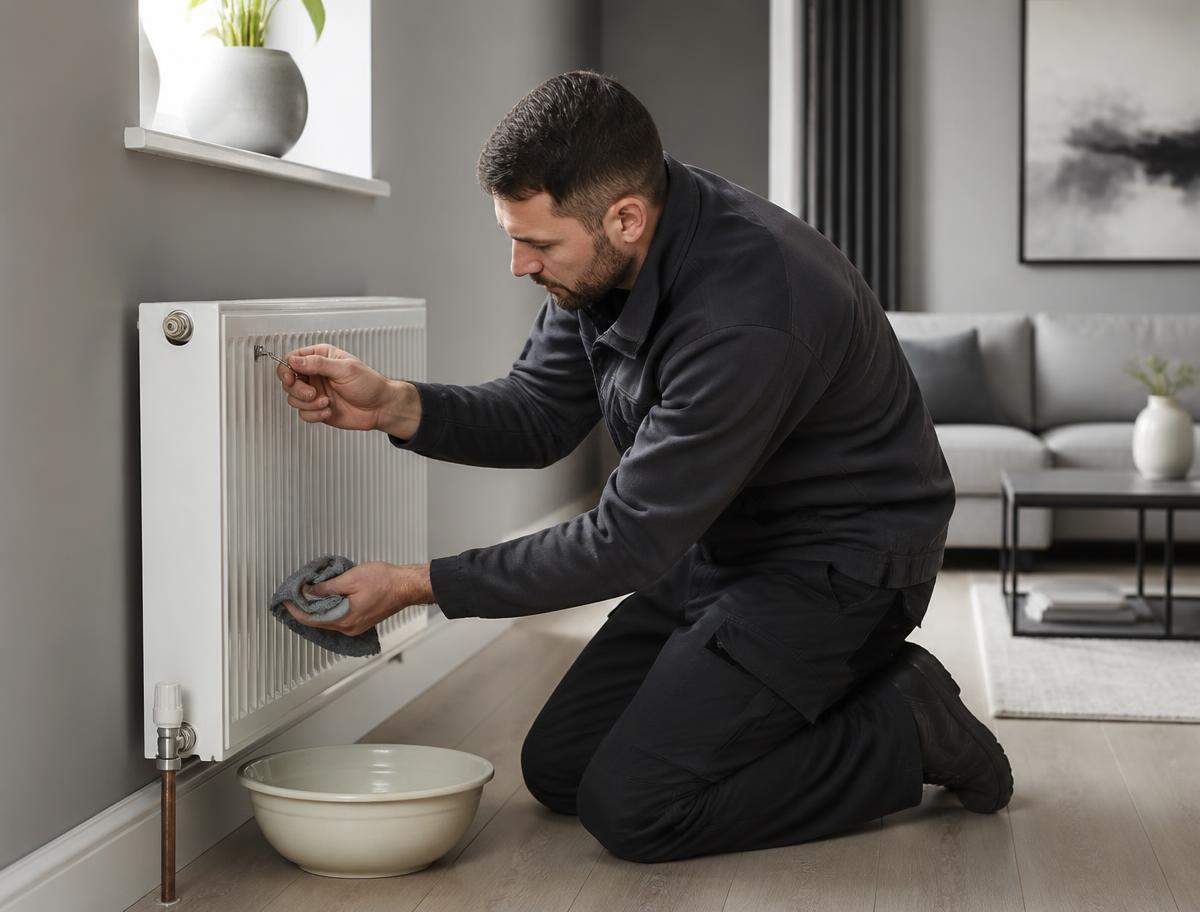
Central heating flush · Southgate N14
Power Flushing in Southgate
Sludge and rust cleared out of Southgate central heating systems so radiators warm through evenly again — but only after we have confirmed sludge is genuinely the cause.
- 25+ Years On The Tools
- Gas Safe Registered
- Fully Insured
- Barnet Based
- Repair First, Replace When It Makes Sense
Diagnose first
A flush is not always the answer
Cold radiators get blamed on sludge more often than sludge deserves. Trapped air, a seized valve, an incorrectly balanced system, a failing pump or a controls fault produce very similar symptoms and cost a fraction as much to put right.
So in Southgate we assess before we flush. If the system genuinely is loaded with sludge, a power flush is the right job and we will price it. If it is not, we will tell you what is actually wrong.
Southgate's stock of inter-war houses is a common candidate: original steel radiators, decades of water sitting in them, and heating circuits that have been extended over the years without the system ever being properly cleaned or dosed.
Signs worth investigating in a Southgate home
- Radiators cold at the bottom, hot at the top
- Upstairs rooms never getting properly warm
- Long warm-up times compared with a few years ago
- Banging, gurgling or kettling from the boiler or pipework
- Dirty black water when a radiator is bled or drained
- Boiler repeatedly cutting out or locking off
What the flush involves
Water and a cleaning solution are circulated through the pipework, radiators and boiler at high flow and low pressure, lifting out the sludge and debris that have settled inside, with magnetic filtration capturing the metallic residue as it comes away.
The system is then refilled, dosed with inhibitor and balanced so the heat is distributed properly across the property.
Southgate systems and long circuits
Extended houses around Osidge and Southgate Green often have long heating circuits with radiators added at the end of a run. Those end radiators suffer first when circulation drops, which is why balancing after the flush matters as much as the flush itself.
Keeping it clean afterwards
Inhibitor at the correct dose and a magnetic filter, checked at the annual boiler service, are what stop sludge coming straight back. We will set that up and tell you what to keep an eye on.
How long it takes
Most Southgate domestic systems take from a few hours to a full day depending on the number of radiators, the age of the system and how much has built up. You get a realistic time frame with the quote.
Questions
Power flushing in Southgate — common questions
- How do I know my Southgate system needs flushing?
- Cold spots at the bottom of radiators, dirty black water when bleeding, slow warm-up and noisy pipework are the usual indicators. We assess the system before recommending a flush.
- Can you flush an older heating system?
- Often yes — older systems tend to hold the most sludge. We inspect the condition of pipework and radiators first and are honest if flushing is not the right approach.
- How long does it take?
- Typically a few hours up to a full day for a domestic system, depending on size and condition.
- Will it reduce my heating bills?
- Restoring circulation usually means the system reaches temperature more efficiently. We do not promise a specific saving because it depends on your system, controls and usage.
- Do you cover the rest of N14?
- Yes, along with Oakwood, Osidge, Palmers Green, Winchmore Hill and the wider North London area.